
How CTV is rewriting the playbook for political campaigns in 2026.
By the Adloop team
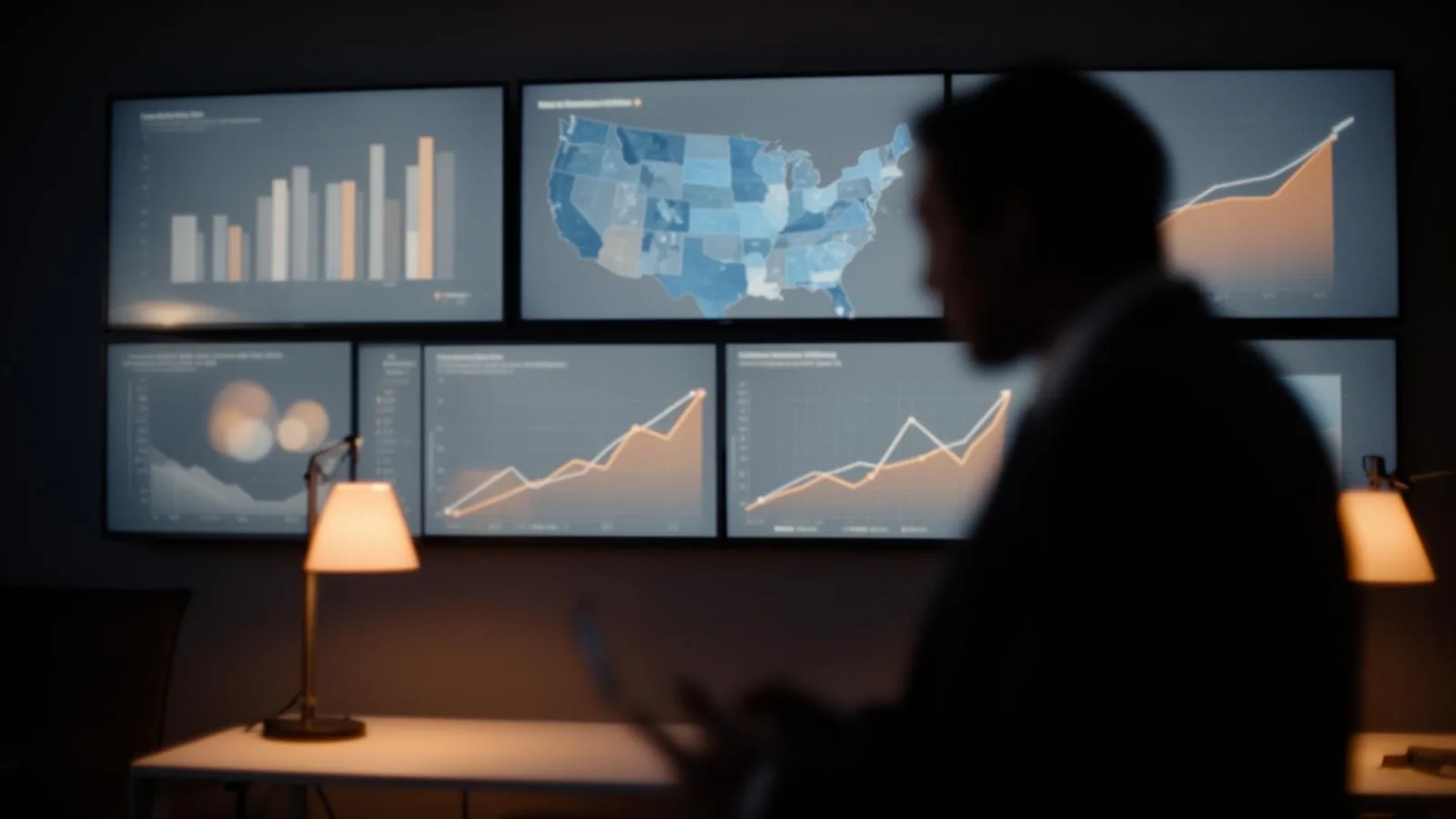
For thirty years, the political ad budget had a center of gravity: the local broadcast TV buy. It was where you reached the persuadable middle, where you defined an opponent, where you closed a race in the final two weeks. In 2026, that center has moved — quietly, decisively, and faster than most campaign budgets have caught up with.
Voters didn't stop watching television. They stopped watching it the way it was sold. The household that used to sit through a 6 o'clock newscast now streams a mix of FAST channels, ad-supported on-demand, sports, and prestige TV across three or four services in the same night. The screen is the same. Everything around it is different.
The shift from broadcast to streaming
Connected TV is now the most important persuasion channel in politics — not because it replaces broadcast wholesale, but because it does the things broadcast was always supposed to do, only better. It reaches a national audience. It delivers the production quality of a 30-second spot. It puts the candidate in the largest screen in the house.
The difference is precision. A broadcast buy treats every household in a media market the same. A CTV buy can treat every household in a media market differently — and that single shift changes how a modern campaign plans, paces, and measures everything else.
Voter-file targeting at the household level
The voter file has been the spine of political targeting for decades. What's new is that it now plugs directly into addressable inventory. A campaign can build a universe of persuadable voters from the file, match it against verified consumer identities, and serve a CTV impression to that exact household — without spraying the same spot across an entire DMA to find them.
For an Adloop client, that usually means three things: tighter universes (fewer impressions, more efficient spend), creative variants tuned to specific audiences (turnout vs. persuasion, donors vs. low-propensity voters), and the ability to suppress households that have already converted on the action you cared about.
The household that used to sit through a 6 o'clock newscast now streams across three or four services in the same night. The screen is the same. Everything around it is different.
Local races, national tools
The CTV story isn't just a top-of-ticket story. Down-ballot is where the addressable model is most disruptive. A school board race, a state legislative seat, a county commissioner — historically these races couldn't justify a broadcast buy at all. The math didn't work.
With locally-addressable CTV inventory, those same races can run a real video program against a few thousand persuadable households in a precinct. The creative quality matches the top of the ballot. The cost is rational. The measurement is honest.
Measurement that survives the news cycle
Political measurement has historically lived in two extremes: vanity reach numbers from media vendors, and post-election attribution that arrives months too late to do anything with. Neither of those is acceptable in a 2026 cycle where the news environment can flip in a weekend.
The campaigns winning right now are the ones treating measurement like a daily operating discipline. Reach and frequency by audience segment. Brand-lift studies tied back to the households actually exposed. Persuasion modeling that can answer, before the ad buy renews next week, whether the creative is moving the right people.
What this means for advocacy and public affairs
The same playbook applies — in some ways more cleanly — outside of candidate campaigns. Advocacy organizations and Fortune 100 public-affairs teams aren't trying to win a single Tuesday. They're trying to move a specific audience over a defined window: regulators, members of Congress and their staffs, local opinion leaders, donors, coalition members. Those audiences are addressable. Their households watch CTV. The persuasion job is the same, even if the deadline isn't.
The organizations that figure this out first will spend the next two cycles compounding an advantage. The ones still buying media in DMAs will spend those cycles wondering why their numbers aren't moving.
250M+
Verified consumer identities
100%
Voter-file integrated
National + local
CTV inventory coverage
Plan your CTV political program with Adloop.
From voter-file modeling to creative pacing to post-flight measurement — we'll walk through what a modern political CTV program looks like for your race, organization, or campaign.